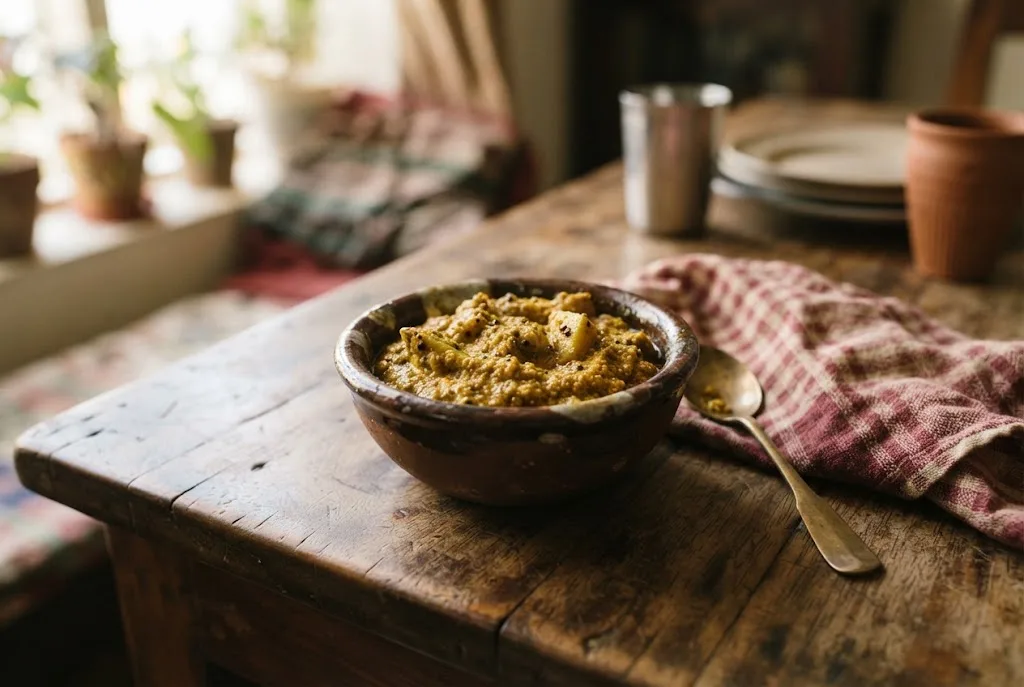
East Indian
Kasundi (Bengali Mustard Relish)
Print or share this recipe
Kasundi (Bengali Mustard Relish) is East Indian home cooking, eaten at lunch and dinner. On the plate it is the condiment. Below is what usually sits beside it, what it does and does not contain, and what else to cook once you have made it.
Ingredients
The quantities follow this count.
How to cook it
-
Soak the mustard seeds in a little water for 3-4 hours until they soften slightly, then drain.
-
Grind the soaked mustard seeds with the green chilies, raw mango, turmeric, and salt into a smooth, thick paste, adding a splash of water as needed.
-
Stir in the vinegar and mustard oil until fully combined.
-
Transfer to a clean glass jar and let it rest at room temperature for a day so the flavors mellow and the raw mustard bite settles.
-
Store in the refrigerator and spoon out a little at a time to serve alongside fried fish, snacks, or rice.
Watch how to cook Kasundi (Bengali Mustard Relish)
Someone making it start to finish, so you can see what the steps look like.


Serve it with
A East Indian dinner is a plate rather than a single dish. These are the courses that normally sit beside Kasundi (Bengali Mustard Relish), read from the same composition Dinejot builds a real meal from.
-
The dish at the centre
-
The cooked vegetable
-
The protein alongside
-
What it is eaten with
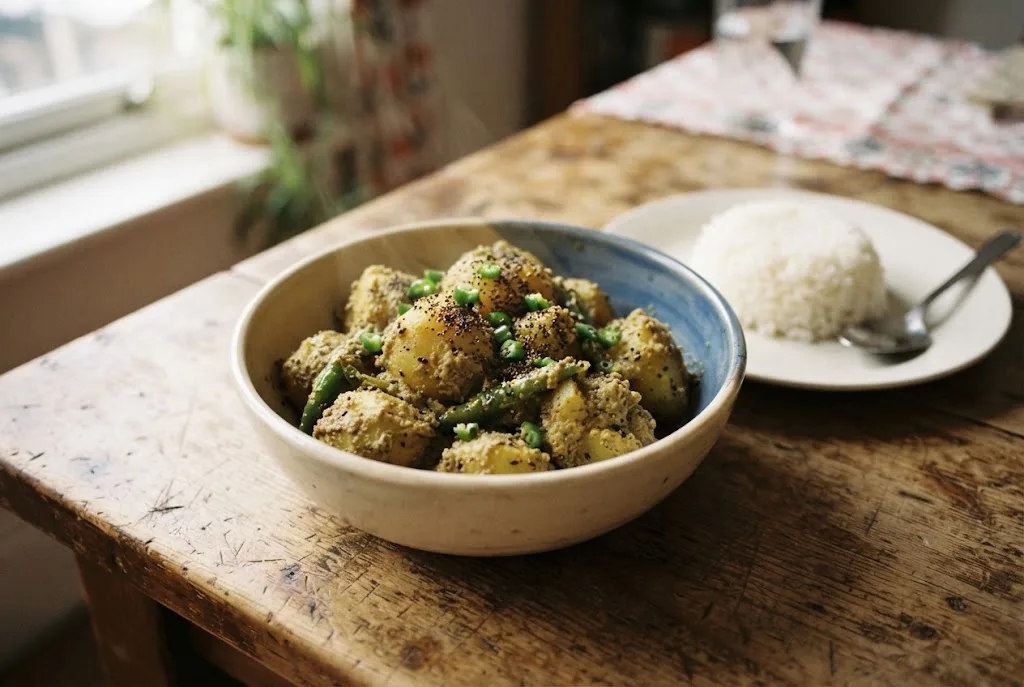
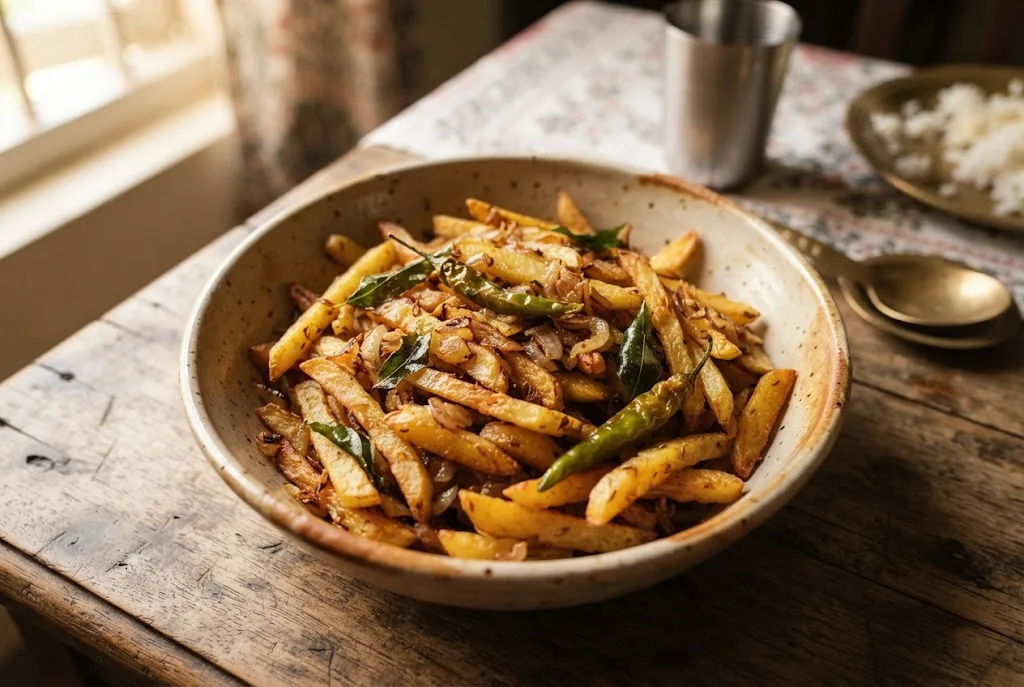

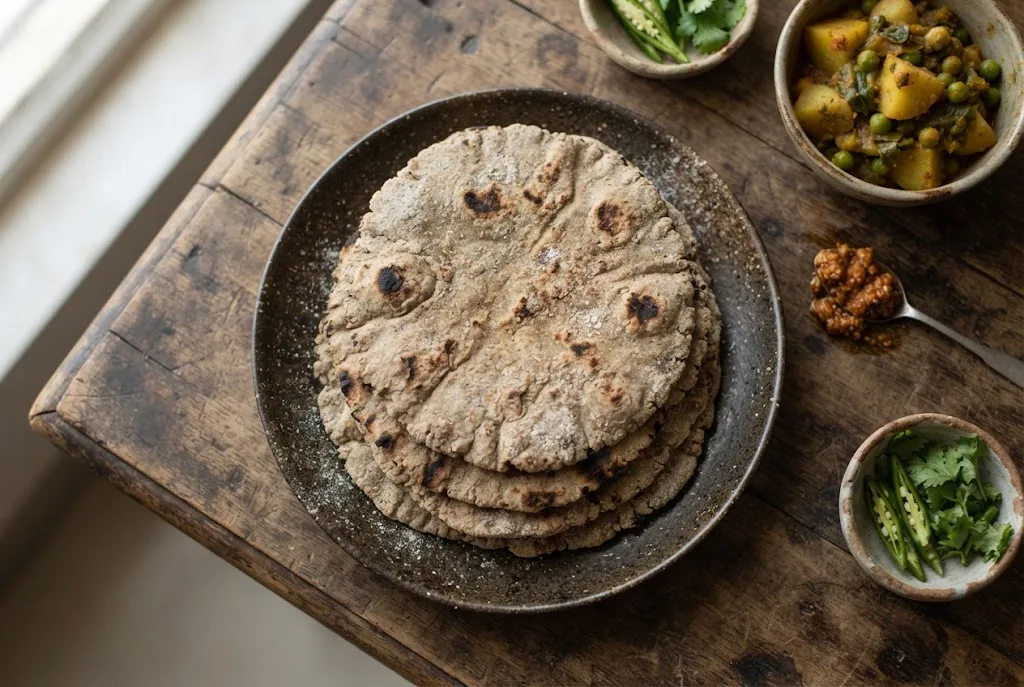
A course labelled with another kitchen's name comes from a cuisine in the same family, which is where this plate usually borrows it from.
Safe at your table
Dinejot tracks ten allergens and tags every one of them by hand. Kasundi (Bengali Mustard Relish) carries none of them. That is a checked answer rather than an ingredient list nobody read.
| Allergen | In this dish |
|---|---|
| Peanuts | No |
| Tree nuts | No |
| Dairy | No |
| Gluten | No |
| Shellfish | No |
| Eggs | No |
| Soy | No |
| Fish | No |
| Sesame | No |
| Coconut | No |
These tags are set by a person rather than inferred from an ingredient list, and they describe the recipe as written here. Read the labels on whatever you actually buy.
What it brings to the plate
Estimated, per serving
- Calories
- 60 kcal
- Protein
- 1 g
- Carbs
- 3 g
- Fat
- 5 g
- Fiber
- 1 g
- Sugar
- 1 g
- Sodium
- 280 mg
- Saturated fat
- 0 g
Estimated values. Actual nutrition varies with ingredients, brands, and how you cook.
When to cook it
Kasundi (Bengali Mustard Relish) takes about 20 minutes from a cold stove to the table, and the cooking itself is easy going. It is eaten at lunch and dinner. Nothing in the calendar rules it out, so it is a year round dish.
Cooked this? Show everyone.
Comments
Sign in to leave a note for the next cook.
No comments yet. Be the first to share your thoughts.
Cook this with your whole family
Dinejot plans breakfast, lunch and dinner as whole plates, built around the cooking you call home and filtered for the allergies at your table.
Meal suggestions support your goals. They are not medical advice. Please ask your doctor about your family's health needs.