Japanese
Kare Raisu (Japanese Curry Rice with Pork)
Ingredients
The quantities follow this count.
How to cook it
-
Heat the oil in a heavy pot and brown the pork over medium high heat, then add the onions cut into wedges and cook until they soften, about 5 minutes.
-
Add the carrots and potatoes in large chunks and the water, bring to a boil and skim, then cover and simmer until the vegetables are tender, about 20 minutes.
-
Turn off the heat and break in the curry roux, stirring until it dissolves completely so it does not go lumpy.
-
Simmer gently over low heat, stirring often so the bottom does not catch, until the sauce thickens, about 5 minutes.
-
Spoon the rice onto plates and ladle the curry beside it. Roux blocks are on every Thai supermarket shelf, which is why this is the Japanese dish families actually cook at home; most contain wheat and milk, so check the box.
Serve it with
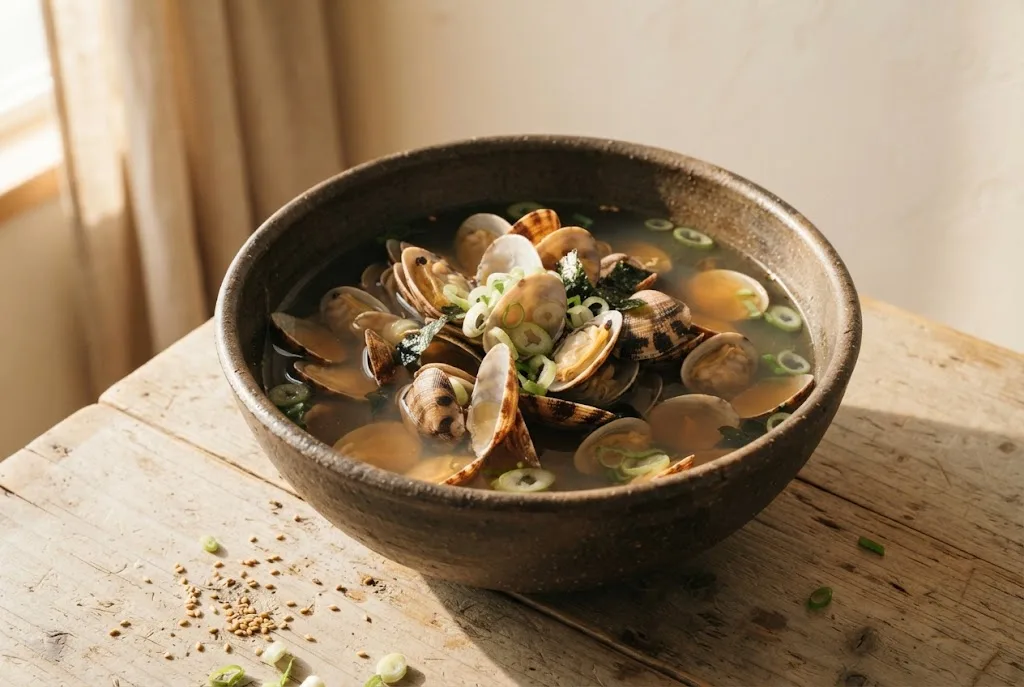
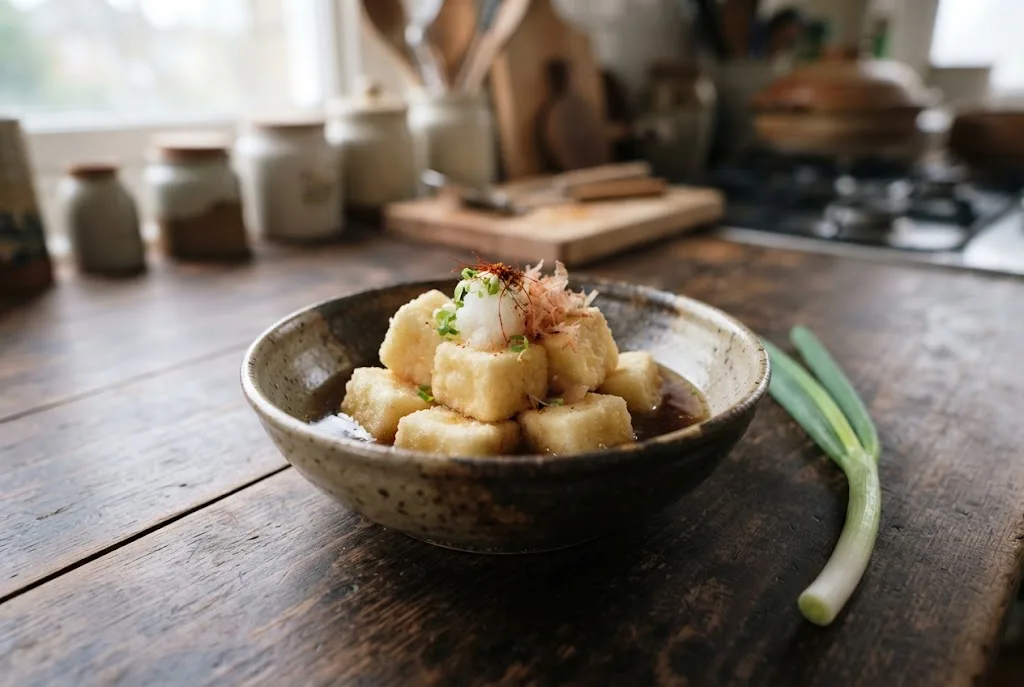
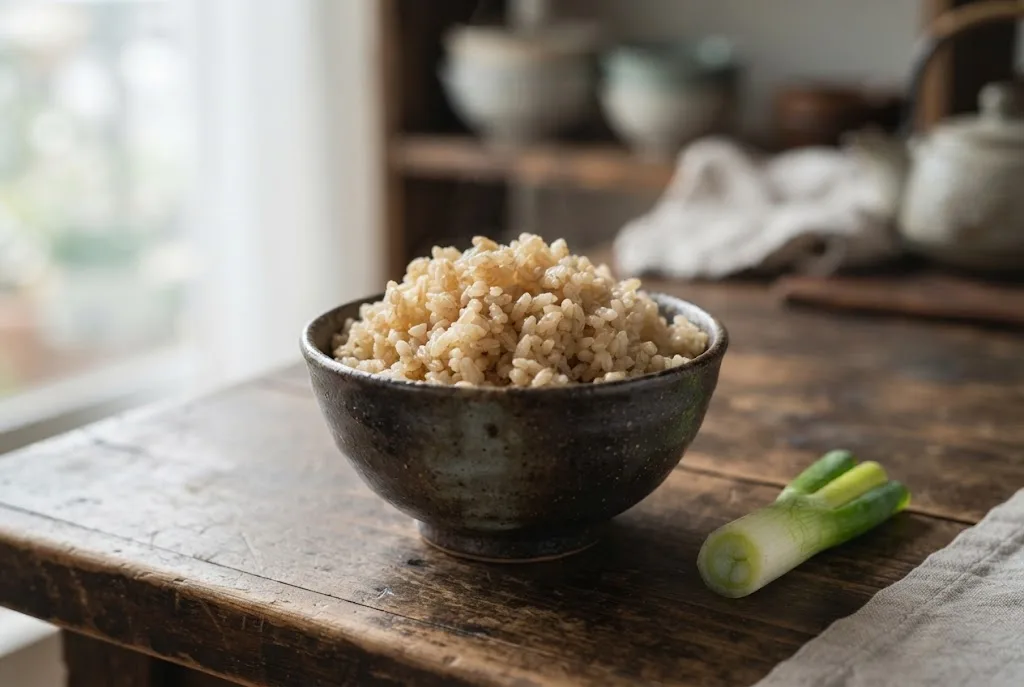
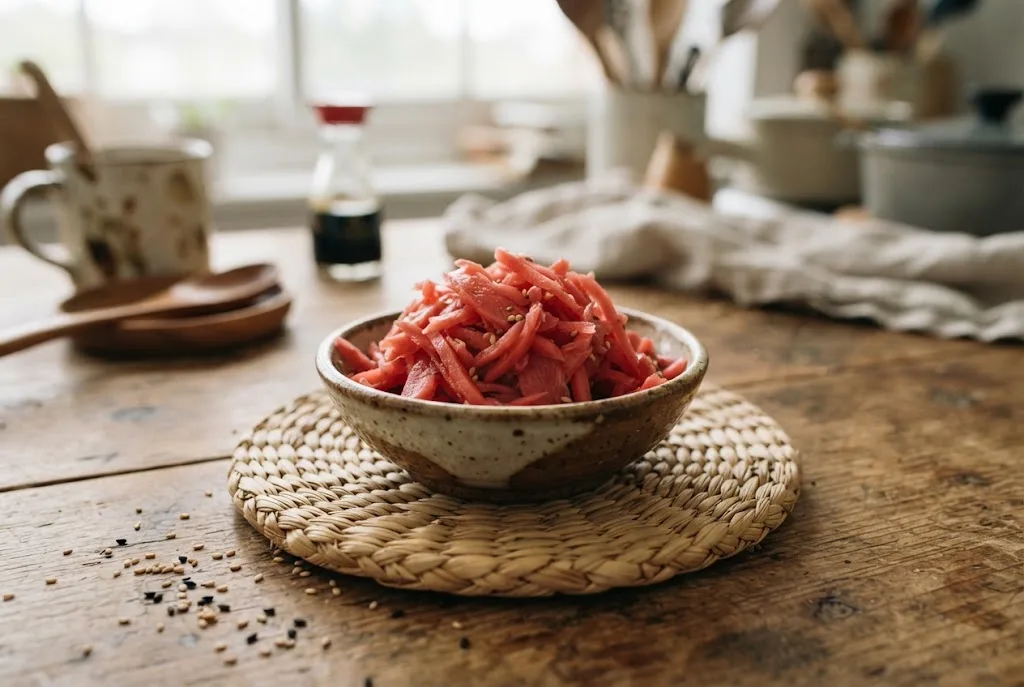
A Japanese dinner is a plate rather than a single dish. These are the courses that normally sit beside Kare Raisu (Japanese Curry Rice with Pork), read from the same composition Dinejot builds a real meal from.
-
Something to sip
-
The cooked vegetable
-
What it is eaten with
-
The sharp little thing
Safe at your table
Dinejot tracks ten allergens and tags every one of them by hand, so the absences below are as deliberate as the presences. Kare Raisu (Japanese Curry Rice with Pork) carries dairy, gluten, and soy. It is free of the remaining 7 allergens on that list.
| Allergen | In this dish | Cook this instead |
|---|---|---|
| Peanuts | No | |
| Tree nuts | No | |
| Dairy | Yes | Asa Sarada (Morning Cabbage and Corn Salad) |
| Gluten | Yes | Asa Sarada (Morning Cabbage and Corn Salad) |
| Shellfish | No | |
| Eggs | No | |
| Soy | Yes | Asa Sarada (Morning Cabbage and Corn Salad) |
| Fish | No | |
| Sesame | No | |
| Coconut | No |
These tags are set by a person rather than inferred from an ingredient list, and they describe the recipe as written here. Read the labels on whatever you actually buy.
What it brings to the plate
Estimated, per serving
- Calories
- 560 kcal
- Protein
- 20 g
- Carbs
- 70 g
- Fat
- 22 g
- Fiber
- 3 g
- Sugar
- 5 g
- Sodium
- 770 mg
- Saturated fat
- 8 g
Estimated values. Actual nutrition varies with ingredients, brands, and how you cook.
When to cook it
Kare Raisu (Japanese Curry Rice with Pork) takes about 45 minutes from a cold stove to the table, and the cooking itself is easy going. It is eaten at lunch and dinner. Nothing in the calendar rules it out, so it is a year round dish.
Cooked this? Show everyone.
Comments
Sign in to leave a note for the next cook.
No comments yet. Be the first to share your thoughts.
Cook this with your whole family
Dinejot plans breakfast, lunch and dinner as whole plates, built around the cooking you call home and filtered for the allergies at your table.
Meal suggestions support your goals. They are not medical advice. Please ask your doctor about your family's health needs.