South Indian
Kara Kuzhambu (Shallot and Garlic Tamarind Gravy)
Print or share this recipe
Kara Kuzhambu (Shallot and Garlic Tamarind Gravy) is South Indian home cooking, eaten at lunch and dinner. On the plate it is the dish at the centre. Below is what usually sits beside it, what it does and does not contain, and what else to cook once you have made it.
Ingredients
The quantities follow this count.
How to cook it
-
Soak the tamarind in 1 cup of hot water for 10 minutes, squeeze it hard and strain the juice, then repeat with another cup of water to get all the sourness out.
-
Peel the shallots and garlic and leave them whole. That is most of the work, and they are the whole character of the dish.
-
Heat the sesame oil in a heavy pot and add the mustard seeds, fenugreek seeds, dried red chilies and curry leaves. When the mustard pops, add the shallots and garlic and fry 5 minutes until golden at the edges. If you keep sundakkai or manathakkali vathal in the pantry, fry a spoonful in the oil now and the dish becomes vathal kuzhambu.
-
Add the chopped tomato and cook until it melts, then the sambar powder, turmeric and asafoetida, and stir 1 minute on low heat so the powder does not burn.
-
Pour in the tamarind water with the salt and the last 1/2 cup of water and simmer uncovered 15 to 20 minutes, until the raw tamarind smell is gone, the gravy has thickened and a film of oil floats on top.
-
Stir in the jaggery to round off the sourness. Kara kuzhambu tastes even better the next day, mixed into hot rice with a poriyal and a fried appalam beside it.
Serve it with
A South Indian dinner is a plate rather than a single dish. These are the courses that normally sit beside Kara Kuzhambu (Shallot and Garlic Tamarind Gravy), read from the same composition Dinejot builds a real meal from.
-
What it is eaten with
-
The sharp little thing
-
Something cool and fresh
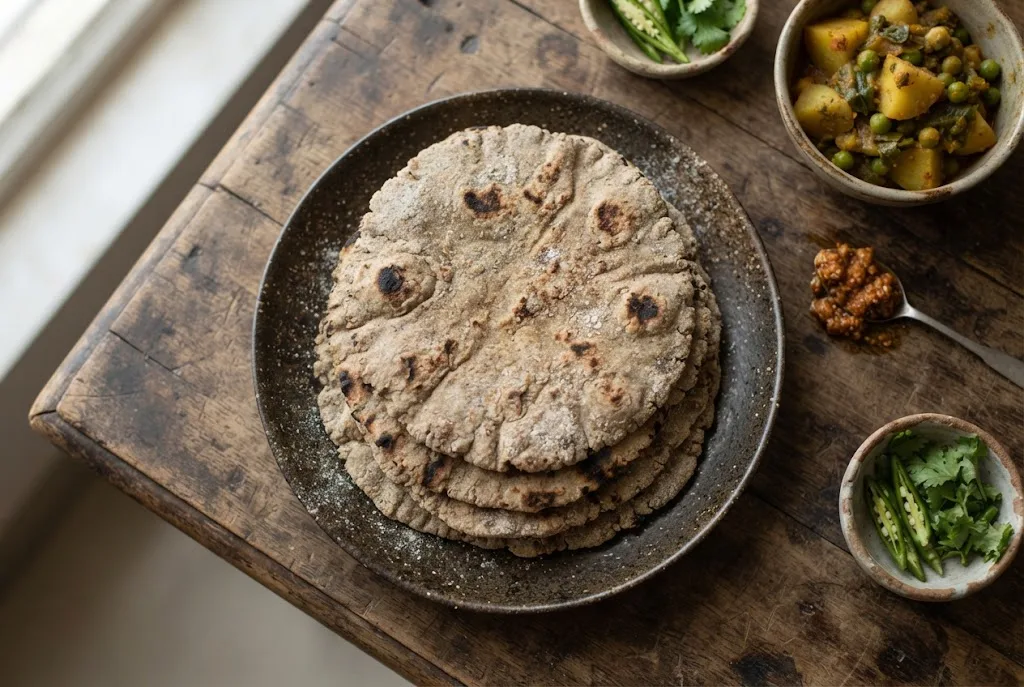
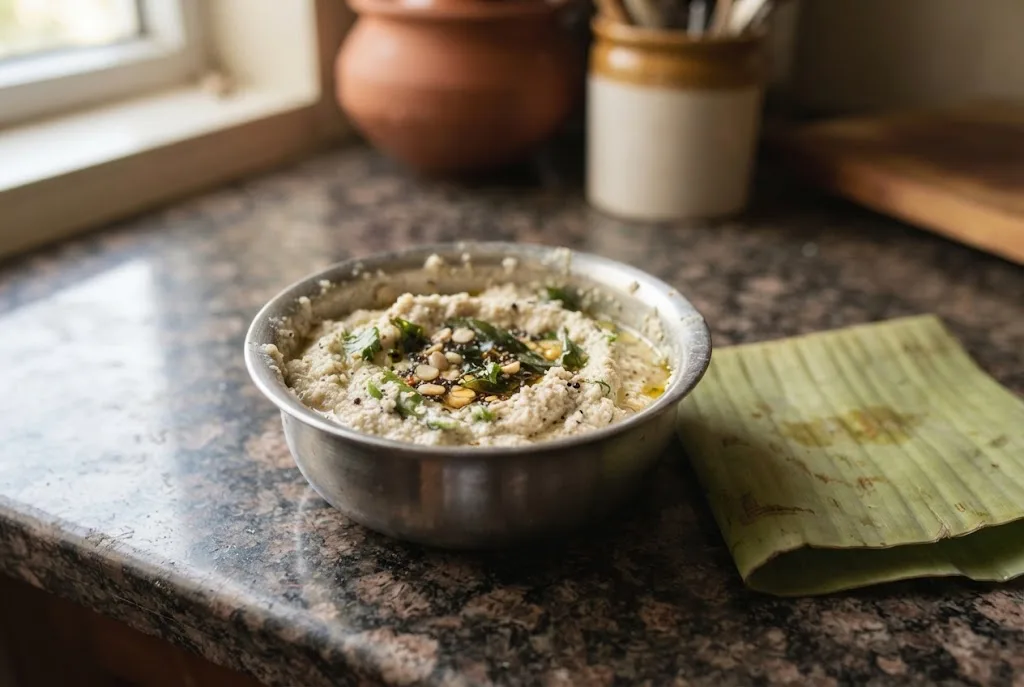
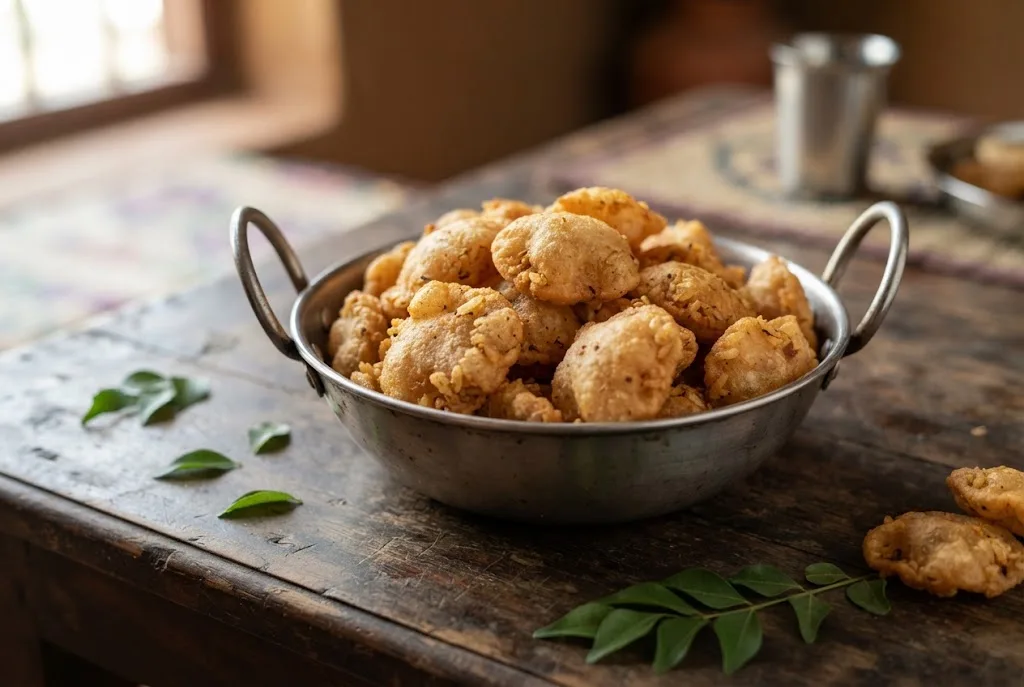
A course labelled with another kitchen's name comes from a cuisine in the same family, which is where this plate usually borrows it from.
Safe at your table
Dinejot tracks ten allergens and tags every one of them by hand, so the absences below are as deliberate as the presences. Kara Kuzhambu (Shallot and Garlic Tamarind Gravy) carries sesame. It is free of the remaining 9 allergens on that list.
| Allergen | In this dish | Cook this instead |
|---|---|---|
| Peanuts | No | |
| Tree nuts | No | |
| Dairy | No | |
| Gluten | No | |
| Shellfish | No | |
| Eggs | No | |
| Soy | No | |
| Fish | No | |
| Sesame | Yes | Adai (Tamil Nadu Multi-Lentil Dosa) |
| Coconut | No |
These tags are set by a person rather than inferred from an ingredient list, and they describe the recipe as written here. Read the labels on whatever you actually buy.
What it brings to the plate
Estimated, per serving
- Calories
- 170 kcal
- Protein
- 2 g
- Carbs
- 18 g
- Fat
- 11 g
- Fiber
- 3 g
- Sugar
- 9 g
- Sodium
- 590 mg
- Saturated fat
- 2 g
Estimated values. Actual nutrition varies with ingredients, brands, and how you cook.
When to cook it
Kara Kuzhambu (Shallot and Garlic Tamarind Gravy) takes about 35 minutes from a cold stove to the table, and the cooking itself is a fair bit of work. It is eaten at lunch and dinner. Nothing in the calendar rules it out, so it is a year round dish.
Cooked this? Show everyone.
Comments
Sign in to leave a note for the next cook.
No comments yet. Be the first to share your thoughts.
Cook this with your whole family
Dinejot plans breakfast, lunch and dinner as whole plates, built around the cooking you call home and filtered for the allergies at your table.
Meal suggestions support your goals. They are not medical advice. Please ask your doctor about your family's health needs.