West Indian
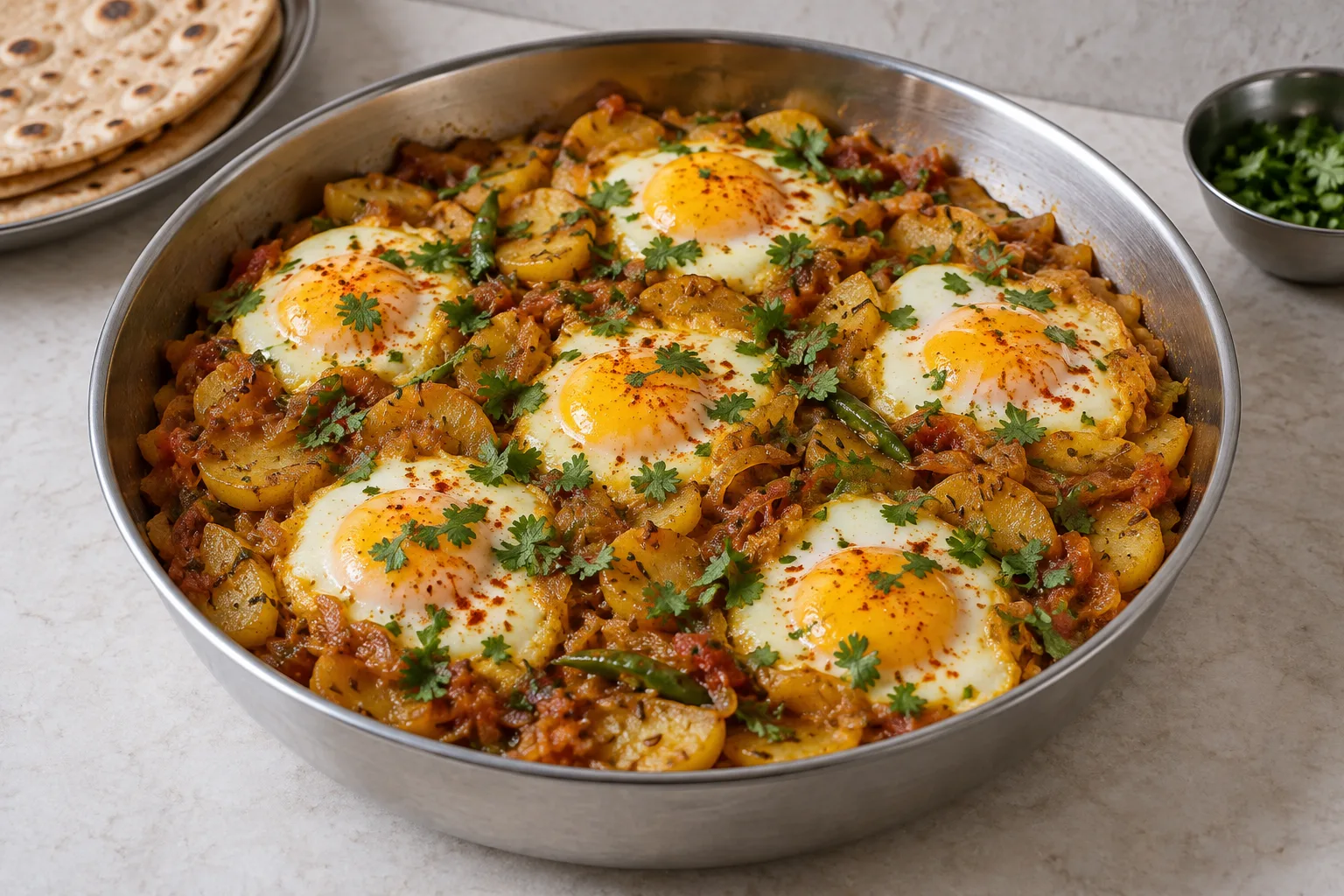
Papeta Par Eeda (Parsi Eggs on Potatoes)
Print or share this recipe
Papeta Par Eeda (Parsi Eggs on Potatoes) is West Indian home cooking, eaten at breakfast and dinner. On the plate it is the dish at the centre. Below is what usually sits beside it, what it does and does not contain, and what else to cook once you have made it.
Ingredients
The quantities follow this count.
How to cook it
-
Peel the potatoes and slice them into thin rounds about the thickness of a coin, then rinse the slices and pat them dry so they fry in the oil instead of steaming.
-
Heat the oil in a wide heavy pan over medium heat, add the cumin seeds and let them sizzle for 20 seconds until they darken slightly.
-
Add the thinly sliced onion and slit green chilies and cook 5 minutes over medium heat until the onion is soft and pale gold.
-
Stir in the turmeric, red chili powder, chopped tomato and half the salt and cook 3 minutes over medium heat until the tomato collapses and the oil beads at the edge of the pan.
-
Add the potato slices, toss once to coat them, spread them into an even layer, pour in the water, cover and cook 10 minutes over low heat, shaking the pan once or twice, until a knife slides through a slice with no resistance.
-
Flatten the surface with the back of a spoon and press six shallow hollows into it, then crack one egg into each hollow and sprinkle the remaining salt over the whites.
-
Cover and cook 6 to 8 minutes over low heat until the whites are set and fully opaque while the yolks still wobble when you tilt the pan.
-
Scatter the coriander leaves over the top and bring the pan to the table, serving it straight from the pan with hot chapati or pav.
Watch how to cook Papeta Par Eeda (Parsi Eggs on Potatoes)
Someone making it start to finish, so you can see what the steps look like.


Serve it with
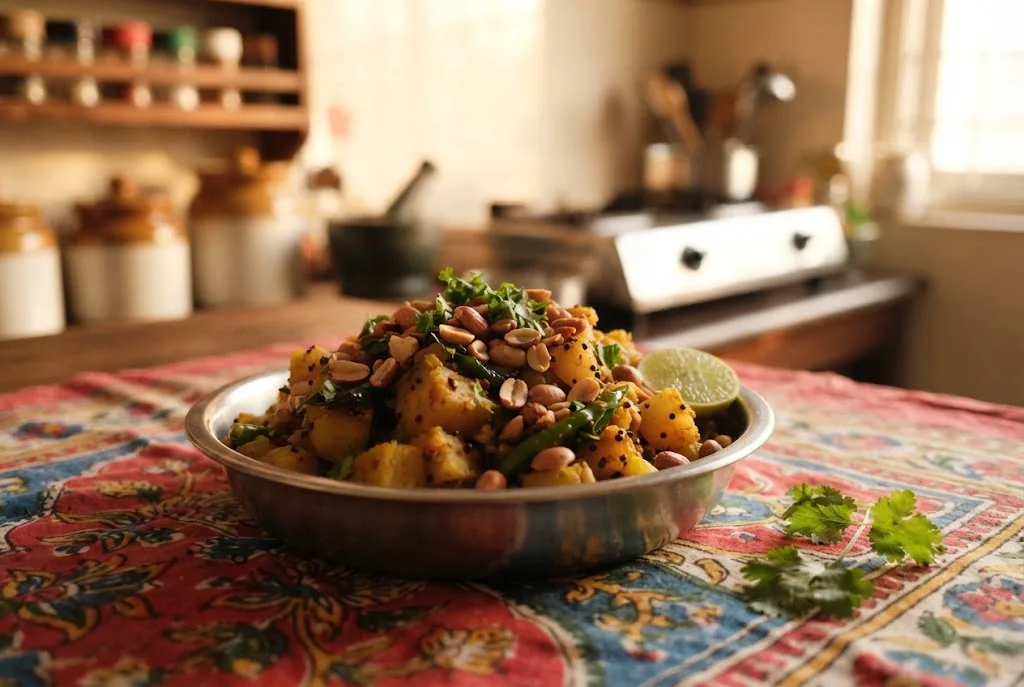
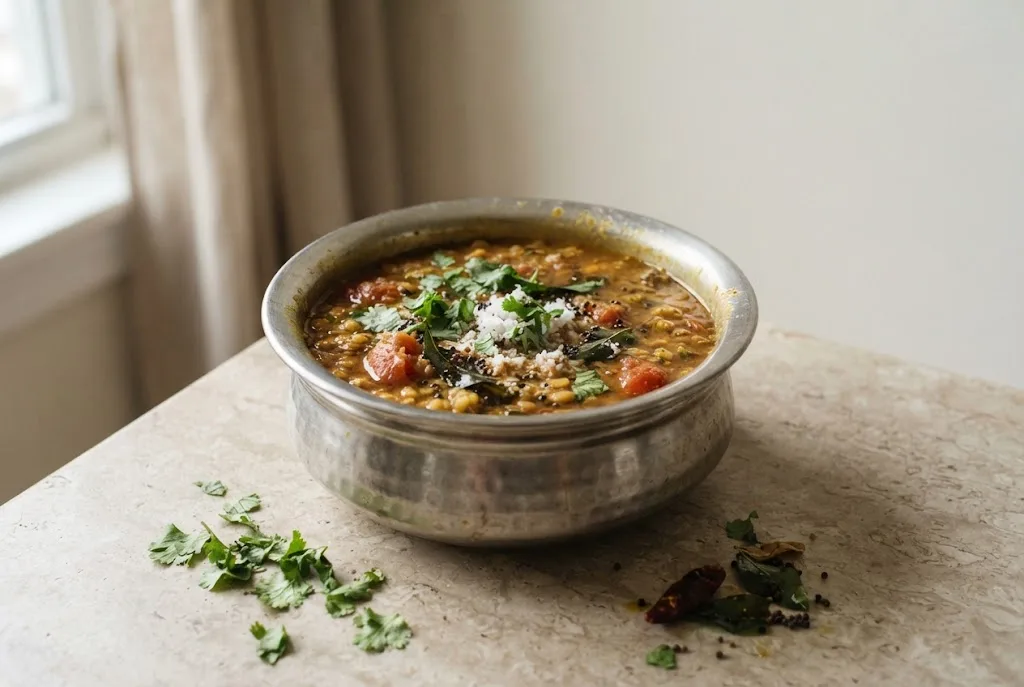
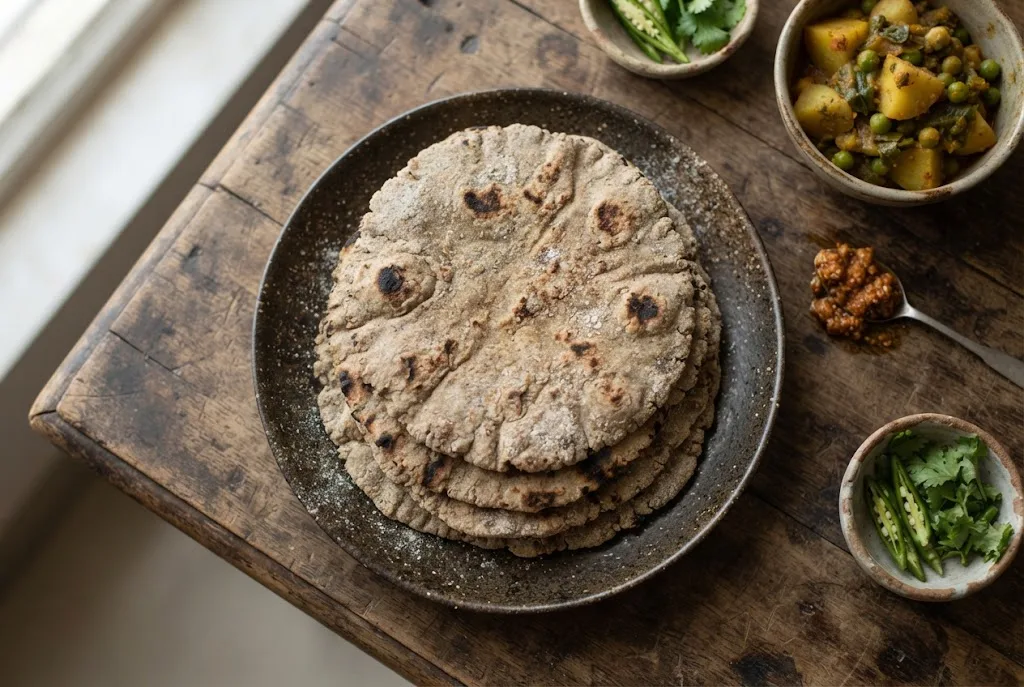
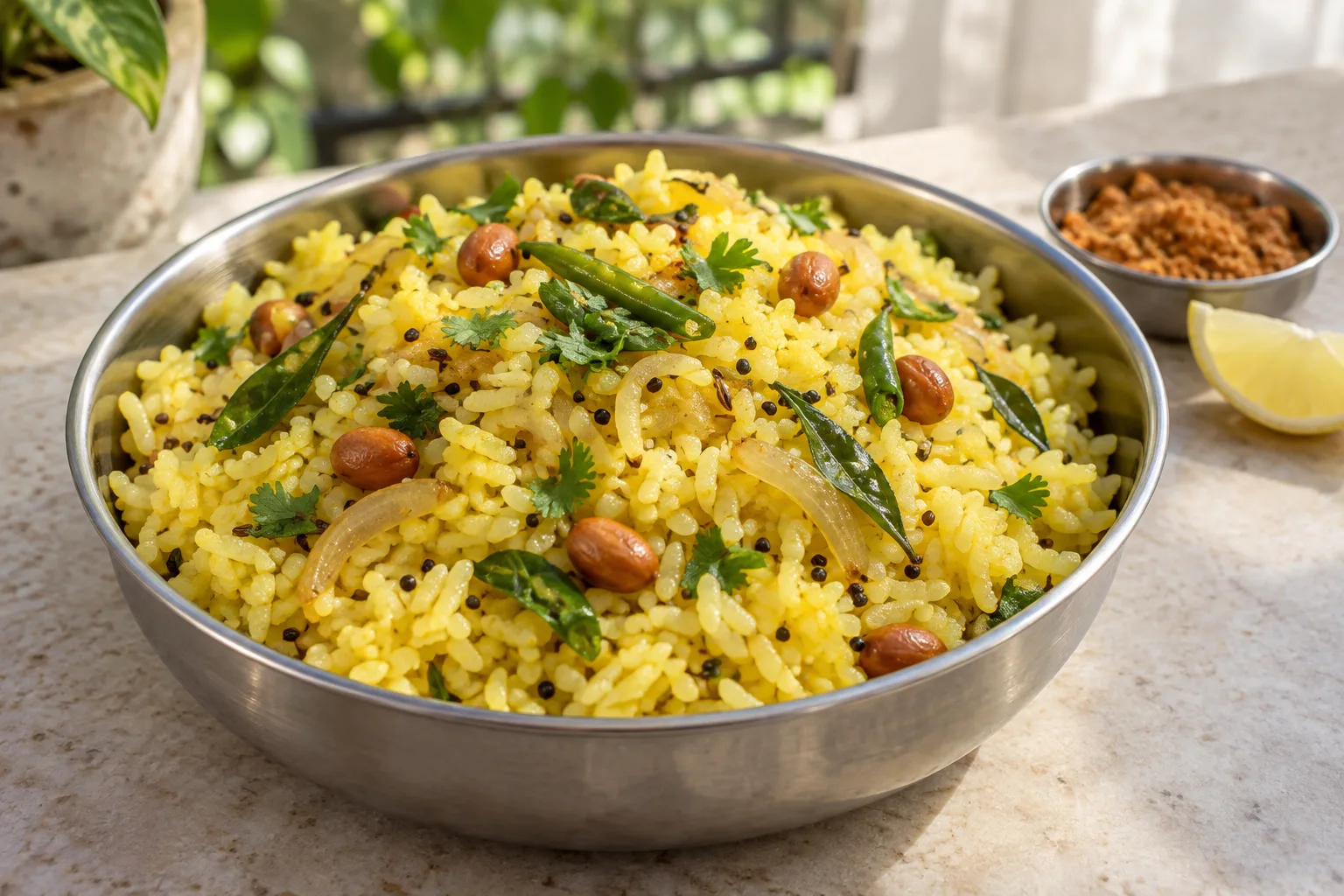
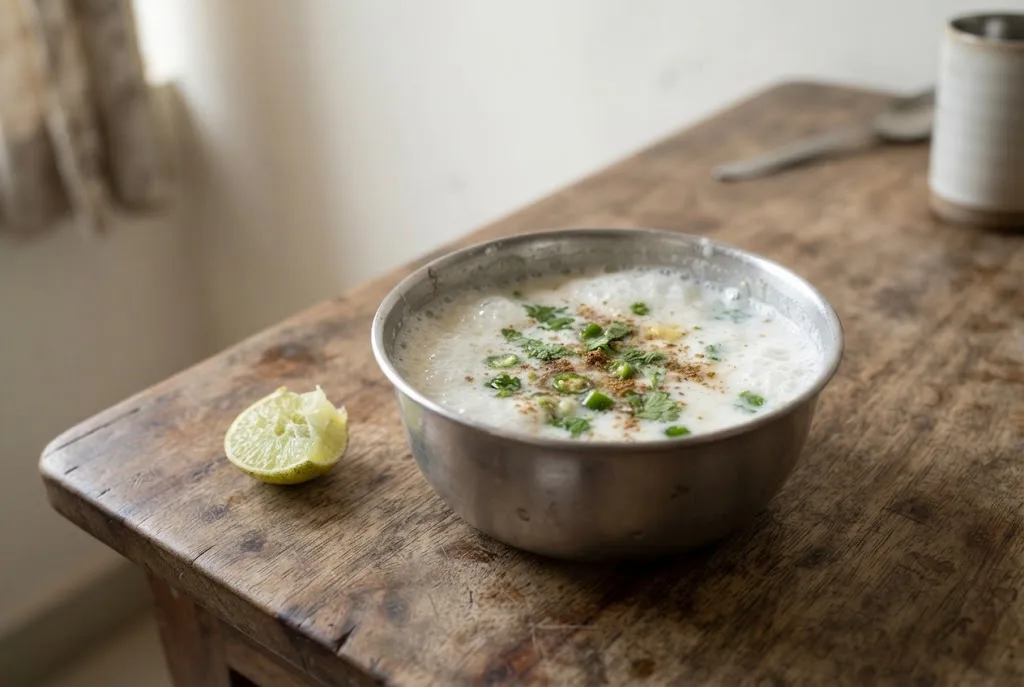
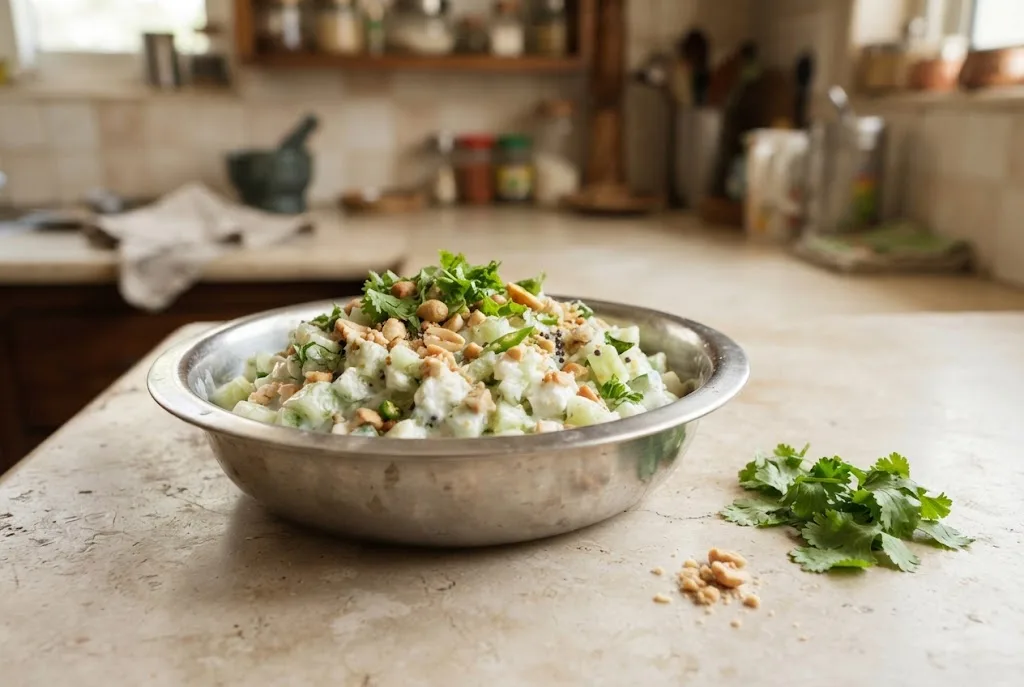
A West Indian dinner is a plate rather than a single dish. These are the courses that normally sit beside Papeta Par Eeda (Parsi Eggs on Potatoes), read from the same composition Dinejot builds a real meal from.
-
The cooked vegetable
-
The protein alongside
-
What it is eaten with
-
The sharp little thing
-
Something cool and fresh
Safe at your table
Dinejot tracks ten allergens and tags every one of them by hand, so the absences below are as deliberate as the presences. Papeta Par Eeda (Parsi Eggs on Potatoes) carries eggs. It is free of the remaining 9 allergens on that list.
| Allergen | In this dish | Cook this instead |
|---|---|---|
| Peanuts | No | |
| Tree nuts | No | |
| Dairy | No | |
| Gluten | No | |
| Shellfish | No | |
| Eggs | Yes | Aamti (Goda-Masala Spiced Dal) |
| Soy | No | |
| Fish | No | |
| Sesame | No | |
| Coconut | No |
These tags are set by a person rather than inferred from an ingredient list, and they describe the recipe as written here. Read the labels on whatever you actually buy.
What it brings to the plate
Estimated, per serving
- Calories
- 340 kcal
- Protein
- 13 g
- Carbs
- 31 g
- Fat
- 18 g
- Fiber
- 4 g
- Sugar
- 4 g
- Sodium
- 690 mg
- Saturated fat
- 3 g
Estimated values. Actual nutrition varies with ingredients, brands, and how you cook.
When to cook it
Papeta Par Eeda (Parsi Eggs on Potatoes) takes about 25 minutes from a cold stove to the table, and the cooking itself is easy going. It is eaten at breakfast and dinner. Nothing in the calendar rules it out, so it is a year round dish.
Cooked this? Show everyone.
Comments
Sign in to leave a note for the next cook.
No comments yet. Be the first to share your thoughts.
Cook this with your whole family
Dinejot plans breakfast, lunch and dinner as whole plates, built around the cooking you call home and filtered for the allergies at your table.
Meal suggestions support your goals. They are not medical advice. Please ask your doctor about your family's health needs.