Pakistani
Paya (Trotter Shorba)
Print or share this recipe
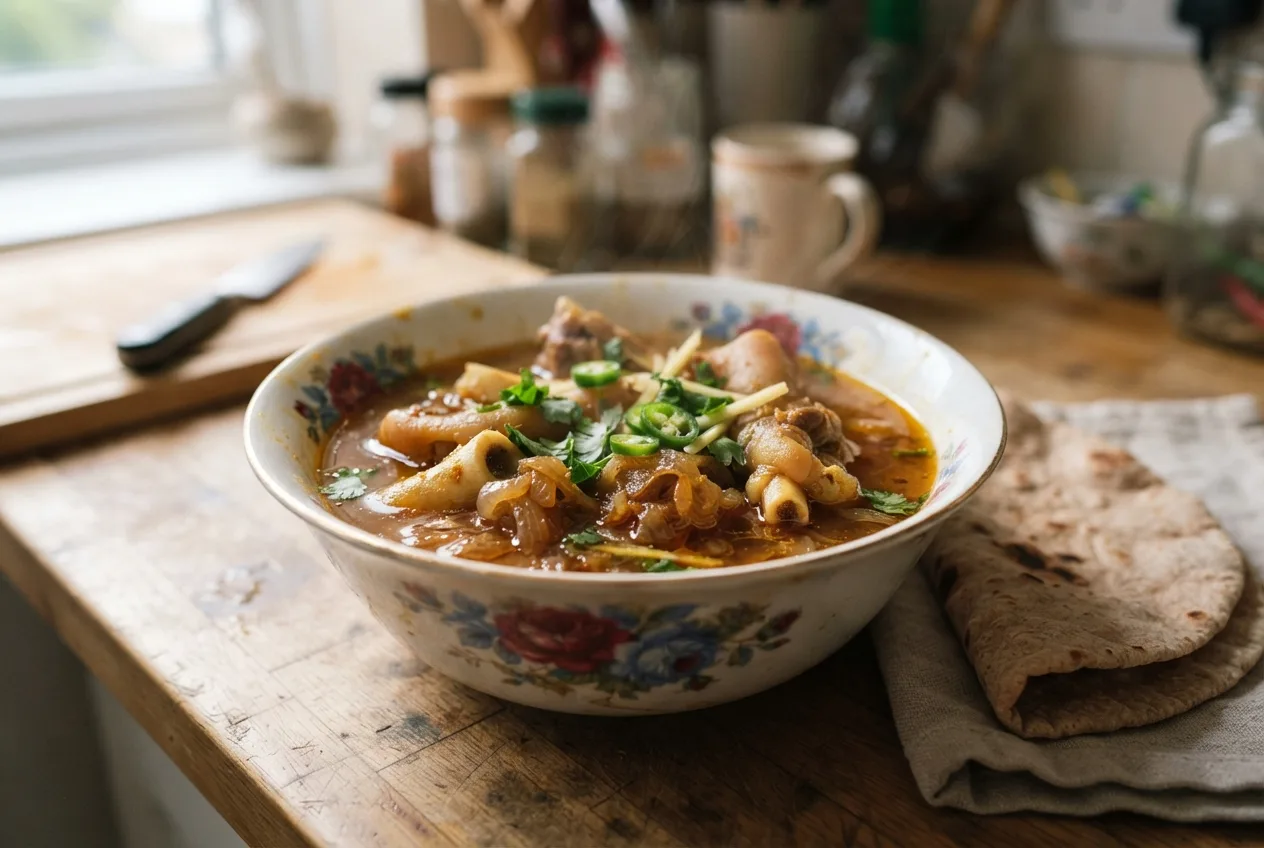
Paya (Trotter Shorba) is Pakistani home cooking, eaten at breakfast and lunch. On the plate it is the dish at the centre. Below is what usually sits beside it, what it does and does not contain, and what else to cook once you have made it.
Ingredients
The quantities follow this count.
How to cook it
-
Have the butcher split the trotters, then scrub them thoroughly and boil them once in plain water for 10 minutes. Throw that water away: it is the step that decides whether the finished paya smells clean.
-
Heat the oil in a large heavy pot and fry the sliced onion until deep brown, about 12 minutes, then add the ginger garlic paste for 2 minutes.
-
Add both chili powders, turmeric, coriander powder, cumin, peppercorns, cardamom, cloves, cinnamon, bay leaves, dry ginger and salt with a splash of water and bhunno 8 minutes.
-
Add the trotters and turn them in the masala for 10 minutes so they take the colour all over.
-
Pour in the water, bring to a boil, then cover and cook on the lowest flame for 4 hours until the meat slides off the bone and the shorba has gone sticky and gelatinous. Do not stir it hard or the bones will break up.
-
Finish with garam masala and rest it 15 minutes. Serve very hot with julienned ginger, green chilies, coriander leaves, lemon wedges and hot naan, and expect Sunday morning to disappear.
Watch how to cook Paya (Trotter Shorba)
Someone making it start to finish, so you can see what the steps look like.

Serve it with
A Pakistani lunch is a plate rather than a single dish. These are the courses that normally sit beside Paya (Trotter Shorba), read from the same composition Dinejot builds a real meal from.
-
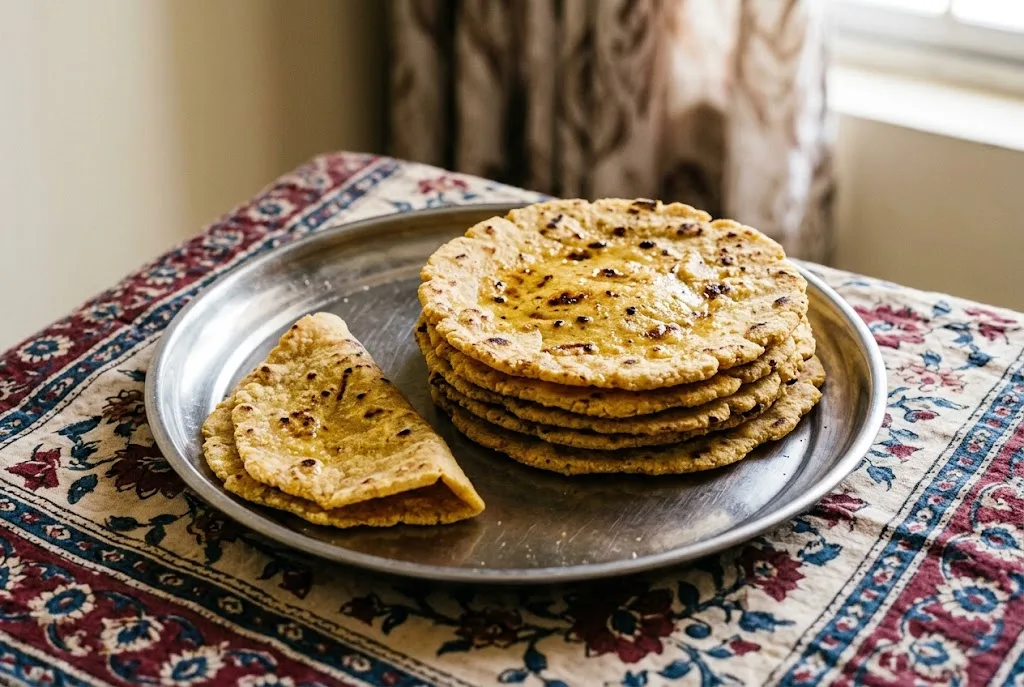
What it is eaten with
-
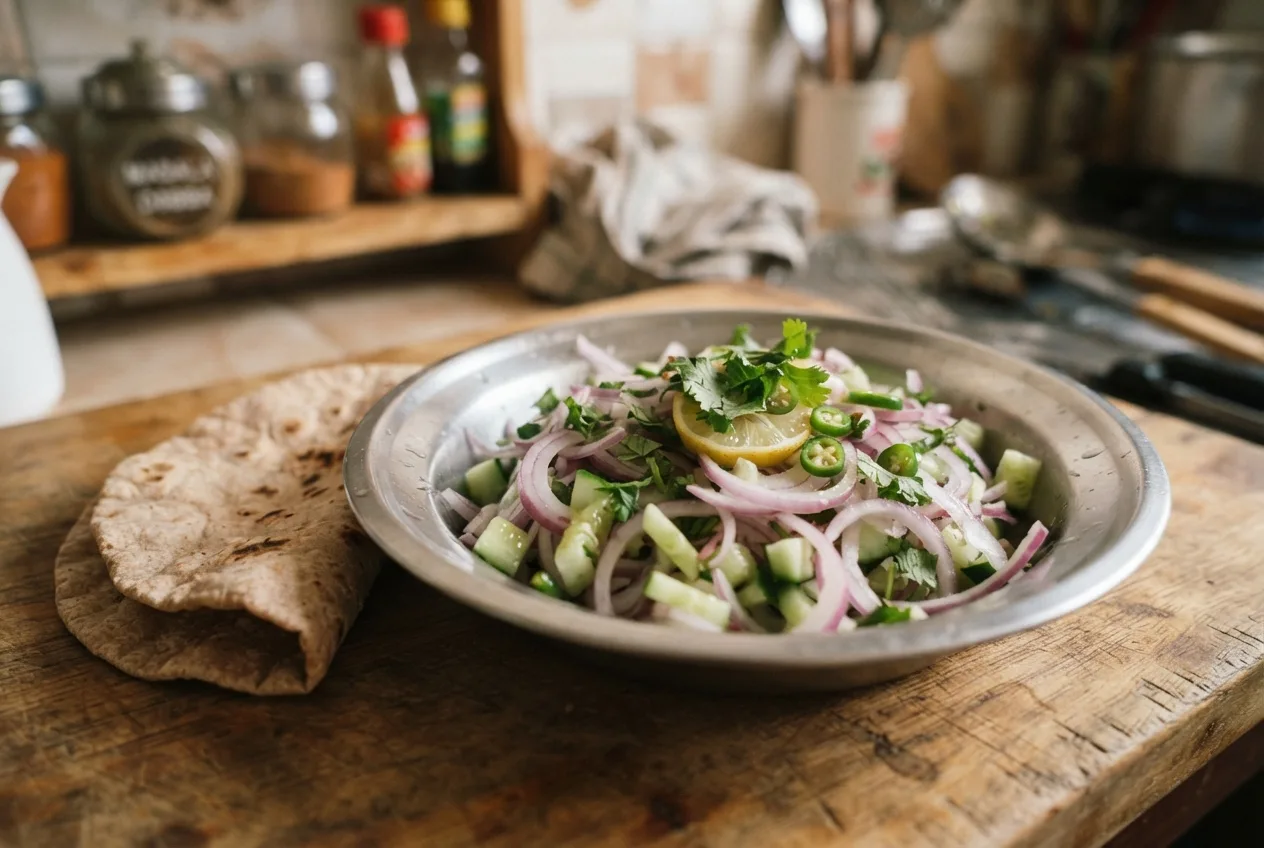
The sharp little thing
-
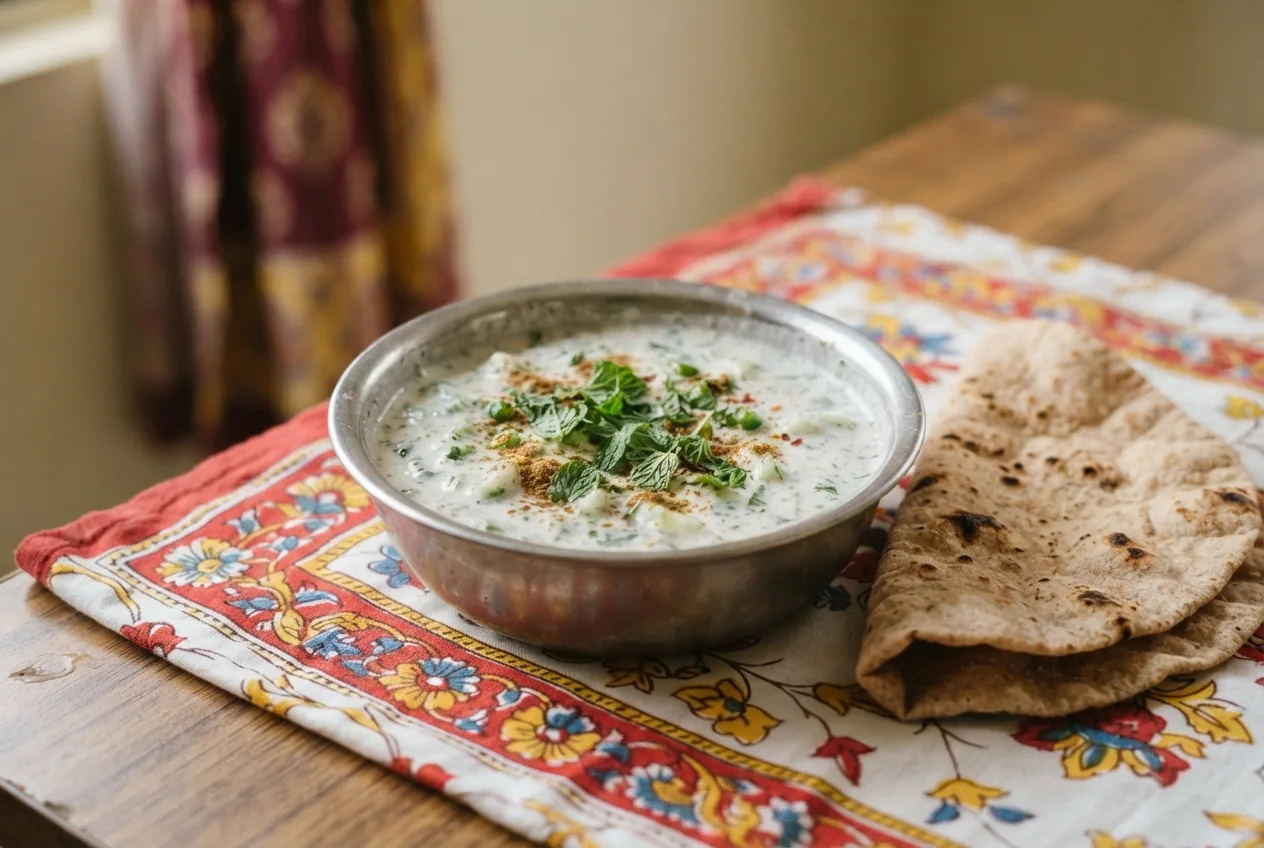
Something cool and fresh
Safe at your table
Dinejot tracks ten allergens and tags every one of them by hand. Paya (Trotter Shorba) carries none of them. That is a checked answer rather than an ingredient list nobody read.
| Allergen | In this dish |
|---|---|
| Peanuts | No |
| Tree nuts | No |
| Dairy | No |
| Gluten | No |
| Shellfish | No |
| Eggs | No |
| Soy | No |
| Fish | No |
| Sesame | No |
| Coconut | No |
These tags are set by a person rather than inferred from an ingredient list, and they describe the recipe as written here. Read the labels on whatever you actually buy.
What it brings to the plate
Estimated, per serving
- Calories
- 550 kcal
- Protein
- 30 g
- Carbs
- 6 g
- Fat
- 45 g
- Fiber
- 1 g
- Sugar
- 1 g
- Sodium
- 460 mg
- Saturated fat
- 6 g
Estimated values. Actual nutrition varies with ingredients, brands, and how you cook.
When to cook it
Paya (Trotter Shorba) takes about 300 minutes from a cold stove to the table, and the cooking itself is a proper project. It is eaten at breakfast and lunch. It is at its best in winter, which is when what goes into it is worth buying.
Cooked this? Show everyone.
Comments
Sign in to leave a note for the next cook.
No comments yet. Be the first to share your thoughts.
Cook this with your whole family
Dinejot plans breakfast, lunch and dinner as whole plates, built around the cooking you call home and filtered for the allergies at your table.
Meal suggestions support your goals. They are not medical advice. Please ask your doctor about your family's health needs.